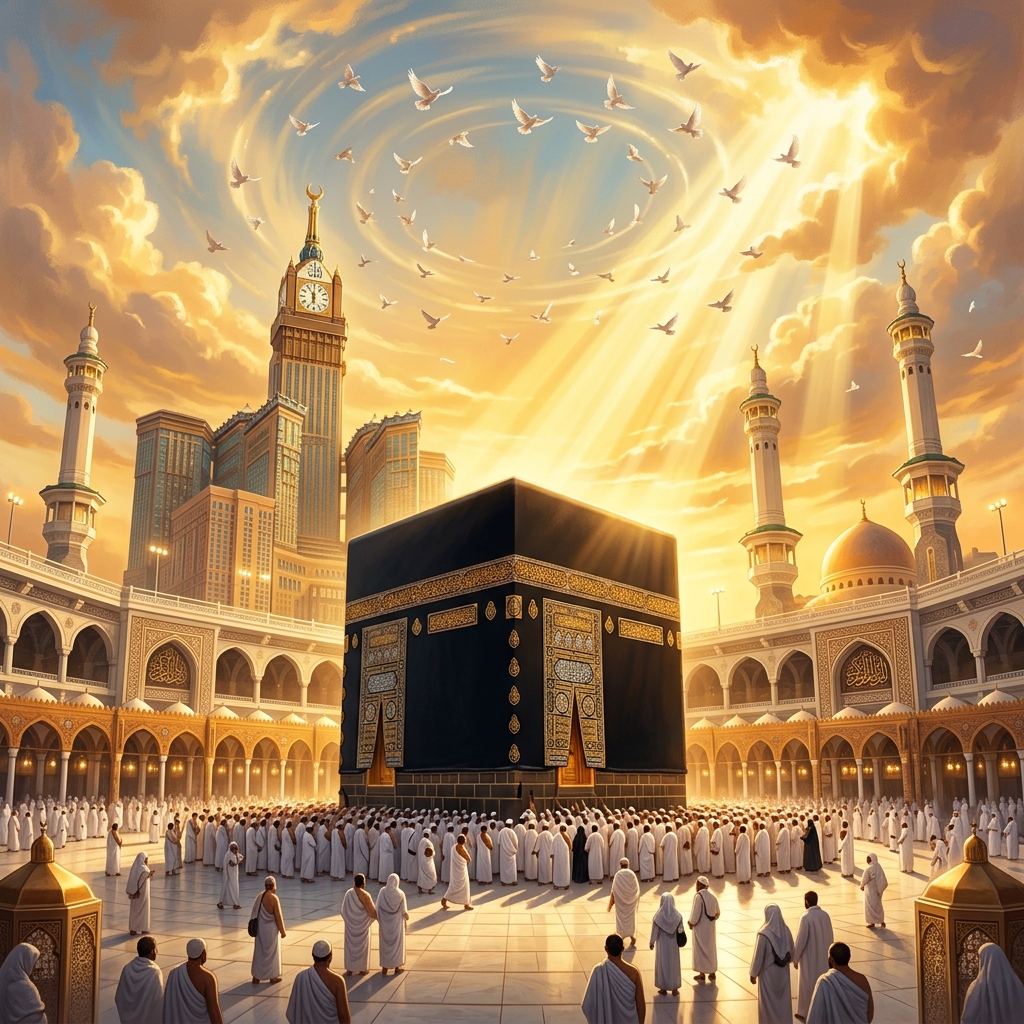
When millions of Muslims around the world prepare for Ramadan, there is a palpable sense of excitement, spiritual preparation, and communal energy. Mosques overflow, Quran recitation echoes through homes, and hearts soften. Yet, astonishingly, another season of equal — and in some ways superior — spiritual magnitude often arrives with much less fanfare: the first ten days of Dhul-Hijjah.
Dhul-Hijjah is one of the four Sacred Months. However, within this holy month lies a ten-day window that represents the absolute zenith of the Islamic calendar. These are days so profoundly blessed that Allah ﷻ swore a divine oath by them in the Holy Quran.
The Divine Oath: “By the Ten Nights”
In the opening verses of Surah Al-Fajr, Allah ﷻ draws our immediate attention to these days with a majestic oath:
“By the dawn, and by ten nights…”
— (Surah Al-Fajr, 89:1-2)
According to prominent companions and classical Quranic exegetes, including Ibn Abbas, Ibn al-Zubayr, Mujahid, and Ibn Kathir (may Allah have mercy on them), the “ten nights” mentioned in this verse refer specifically to the first ten days of Dhul-Hijjah. Whenever Allah ﷻ swears an oath by one of His creations or a measure of time, it signifies its immense weight, grandeur, and cosmic importance.
The Most Beloved Days to Allah ﷻ
To truly comprehend the unmatched superiority of these ten days, we look to the explicit words of the Prophet Muhammad ﷺ. In a foundational Hadith recorded in Sahih Al-Bukhari, Ibn Abbas narrated that the Prophet ﷺ said:
“There are no days during which righteous deeds are more beloved to Allah than these days [meaning the first ten days of Dhul-Hijjah].” They [the companions] asked: “O Messenger of Allah, not even Jihad in the cause of Allah?” He replied: “Not even Jihad in the cause of Allah, except in the case of a man who goes out with his life and his wealth and returns with neither of them.”
This Hadith left the companions astounded. In early Islam, striving with one’s life and property in defense of the faith (Jihad) was considered the absolute pinnacle of righteous action. Yet, the Prophet ﷺ clarified that even a simple good deed — whether a sincere prayer, giving charity, or reciting Dhikr — performed during these ten days surpasses almost every other act of devotion conceivable throughout the rest of the year.
Dhul-Hijjah vs. Ramadan: The Ultimate Comparison
A natural question arises in the minds of many believers: If the first ten days of Dhul-Hijjah are the best days of the year, what about the last ten days of Ramadan and Laylat al-Qadr?
The great Islamic scholar Sheikh al-Islam Ibn Taymiyyah (may Allah have mercy on him) beautifully reconciled these two blessed seasons with a precise and elegant distinction that has been embraced by scholars for centuries:
| Blessed Season | Spiritual Superiority | Key Defining Feature |
|---|---|---|
| First 10 Days of Dhul-Hijjah | The Best DAYS of the Year | Contains the Day of Arafah (9th of Dhul-Hijjah) and Yawm al-Nahr (Eid al-Adha), the greatest single days in the sight of Allah. |
| Last 10 Nights of Ramadan | The Best NIGHTS of the Year | Contains Laylat al-Qadr (the Night of Decree), which is better than a thousand months of worship. |
This distinction highlights the beautiful balance of the Islamic year. In Ramadan, our devotion peaks in the stillness of the night through Qiyam, Taraweeh, and searching for Laylat al-Qadr. In Dhul-Hijjah, our devotion shines in the brightness of the day through fasting, Takbeer, Hajj rites, and sacrificial offerings.
Why Are These Ten Days So Exceptional?
What gives these ten days their unmatched spiritual potency? Hafiz Ibn Hajar al-Asqalani explained this secret in his monumental commentary on Sahih Al-Bukhari, Fath al-Bari:
“The most apparent reason for the distinction of the ten days of Dhul-Hijjah is that they unite the primary core acts of worship in Islam — namely Prayer (Salah), Fasting (Siyam), Charity (Sadaqah), and Pilgrimage (Hajj). This unique convergence does not occur during any other period of the year.”
Consider the profound spiritual concentration of these days:
- Salah: Muslims perform obligatory prayers with heightened mindfulness and increase their voluntary prayers.
- Siyam: Believers fast the first nine days, culminating in the highly virtuous fast of the Day of Arafah.
- Sadaqah: Charity flows abundantly, culminating in the Udhiyah (Qurbani) meat distributed to the needy on Eid.
- Hajj: Millions of pilgrims converge on Makkah to perform the fifth pillar of Islam, circumambulating the Kaaba and standing on Mount Arafat.
Awakening from Spiritual Negligence
Despite these staggering virtues, many of us find ourselves slipping through the first ten days of Dhul-Hijjah without changing our daily routines. Because there is no communal requirement to fast as there is in Ramadan, and because our daily work schedules remain unchanged in most parts of the world, it is easy to let these golden opportunities pass by unnoticed.
Recognizing the holiness of these days is the first step toward awakening our hearts. We must view these ten days as a divine gift — a second chance offered by Allah ﷻ just a few months after Ramadan to cleanse our sins, elevate our ranks in Paradise, and draw profoundly close to Him.
Make the Most of These Blessed Days by Connecting with the Quran
Begin a transformative journey of recitation and understanding with expert tutors.
🎓 Book Your Free Trial Class Today →
