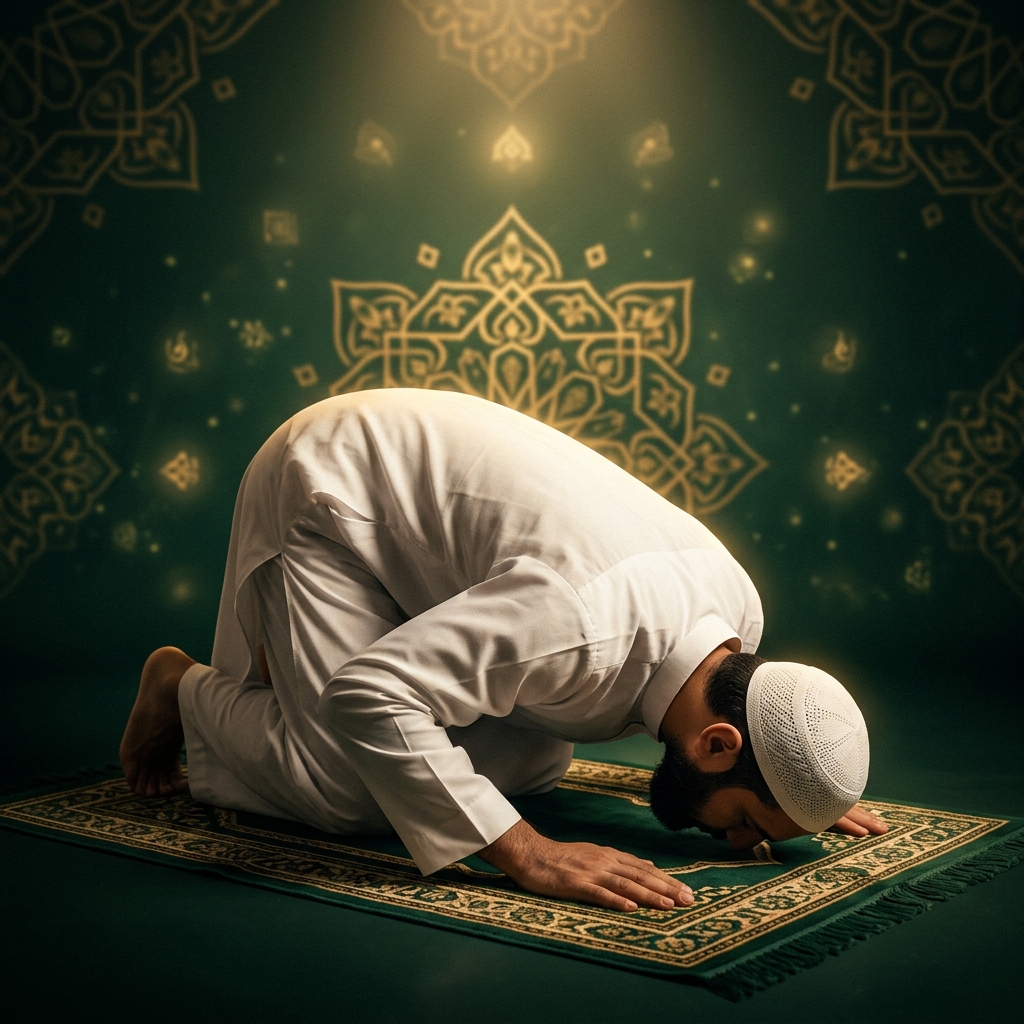
Pillars, Obligatory Parts, and Sunnahs of Prayer: A Comprehensive Guide
Prayer (Salah) is the second pillar of Islam and the primary connection between a Muslim and Allah. It is the first deed we will be held accountable for on the Day of Judgment. As the Prophet Muhammad (peace be upon him) instructed us in a famous narration:
“Pray as you have seen me praying.”
— Sahih al-Bukhari (631)
To ensure our prayers are performed correctly and accepted by Allah, we must understand the precise rules of prayer. In Islamic jurisprudence (Fiqh), the actions and words of prayer are divided into three distinct categories: Pillars (Arkan), Obligatory Parts (Wajibat), and Sunnahs (Sunan).
Many Muslims confuse these terms, which can lead to unnecessary worry or, worse, an invalid prayer. In this comprehensive guide, we will break down the differences between these categories and provide a clear, practical list of each so you can perfect your daily Salah with confidence.
In this article, you will learn:
- The critical legal differences between a Pillar, an Obligatory part, and a Sunnah.
- The 14 Pillars (Arkan) of prayer that cannot be omitted.
- The 8 Obligatory Parts (Wajibat) and how to compensate for forgetting them.
- The verbal and physical Sunnahs that increase your spiritual reward.
1. The Key Differences: Pillars vs. Obligatory Parts vs. Sunnahs
Before looking at the specific lists, it is essential to understand the legal ruling behind each category if an action or word is omitted, whether intentionally or out of forgetfulness:
| Category | Intentional Omission | Unintentional Omission (Forgetfulness) |
|---|---|---|
| Pillars (Arkan) | Invalidates the prayer immediately. | The prayer is invalid unless the pillar is performed. Must be repeated, followed by the Prostration of Forgetfulness (Sujud al-Sahw). |
| Obligatory Parts (Wajibat) | Invalidates the prayer immediately. | The prayer is valid. You do not repeat the action, but you must perform the Prostration of Forgetfulness (Sujud al-Sahw) before the final Tasleem. |
| Sunnahs (Sunan) | The prayer remains completely valid. | The prayer remains completely valid. No Prostration of Forgetfulness is required. |
2. The 14 Pillars of Prayer (Arkan al-Salah)
Pillars are the absolute structural foundations of the prayer. If a pillar is missing, the entire prayer is void. Scholars have identified fourteen pillars of prayer based on the Sunnah of the Prophet (peace be upon him):
- Standing (Qiyam) in obligatory prayers if one is physically able.
- The Opening Takbeer (Takbeerat al-Ihram): Saying “Allahu Akbar” to begin the prayer.
- Reciting Surah al-Fatihah in every unit (Rakah) of the prayer.
- Bowing (Ruku’): Bending at the waist until the hands touch the knees.
- Rising from Bowing and standing upright.
- Prostrating (Sujud) on the seven bones (forehead/nose, two hands, two knees, and the toes of both feet).
- Rising from Prostration.
- Sitting between the two prostrations.
- Tranquility (Tuma’neenah): Performing every physical pillar calmly and slowly, pausing in each posture.
- The Final Tashahhud.
- Sitting for the Final Tashahhud.
- Sending Blessings upon the Prophet (peace be upon him) in the final Tashahhud.
- The Tasleem: Saying “Assalamu Alaykum wa Rahmatullah” to exit the prayer.
- Performing the pillars in correct order.
3. The 8 Obligatory Parts of Prayer (Wajibat al-Salah)
Obligatory parts are actions that must be done, but they are secondary to the pillars. If you forget one of these, you do not go back to do it during the prayer; instead, you make up for it by performing two prostrations of forgetfulness (Sujud al-Sahw) at the end of the prayer. The eight obligatory parts are:
- All Takbeers other than the opening Takbeer (e.g., saying “Allahu Akbar” when moving to Ruku’ or Sujud).
- Saying “Sami’a Allahu liman hamidah” (Allah hears those who praise Him) when rising from bowing (for the Imam and the individual praying alone).
- Saying “Rabbana walakal-hamd” (Our Lord, and to You belongs all praise) when standing upright after bowing (for the Imam, the follower, and the individual).
- Saying “Subhana Rabbiyal-Adheem” (Glory be to my Lord, the Almighty) at least once while bowing (Ruku’).
- Saying “Subhana Rabbiyal-A’la” (Glory be to my Lord, the Most High) at least once while prostrating (Sujud).
- Saying “Rabbigh-fir li” (Lord, forgive me) while sitting between the two prostrations.
- The First Tashahhud (recited after the second Rakah in three- and four-Rakah prayers).
- Sitting for the First Tashahhud.
4. The Sunnahs of Prayer (Sunan al-Salah)
Sunnahs are the voluntary, beautiful practices taught by the Prophet Muhammad (peace be upon him). Omitting them does not affect the validity of your prayer, but incorporating them dramatically increases your spiritual reward, brings you closer to the Prophet’s practice, and cultivates deep focus (Khushu’). The Sunnahs are divided into verbal and physical actions:
Key Verbal Sunnahs
- Du’a al-Istiftah (The Opening Supplication): Recited quietly right after the opening Takbeer, before Surah al-Fatihah.
- Seeking Refuge (Ta’awwudh) and Basmalah: Quietly saying “A’udhu billahi minash-shaytanir-rajeem” and “Bismillahir-Rahmanir-Rahim” before reciting.
- Saying “Ameen” aloud after reciting Surah al-Fatihah.
- Reciting a Surah or a few verses after Surah al-Fatihah in the first two Rakahs of prayer.
- Reciting more than the obligatory single phrase of praise in Ruku’ and Sujud (e.g., repeating “Subhana Rabbiyal-Adheem” three times).
Key Physical Sunnahs
- Raising the hands to the level of the shoulders or earlobes when making the opening Takbeer, when bowing, when rising from bowing, and when standing up after the first Tashahhud.
- Placing the right hand over the left hand, positioned on the chest, while standing.
- Keeping your eyes focused on the exact spot of prostration while standing.
- Iftirash: Sitting on the left foot while keeping the right foot upright with toes pointing toward the Qiblah during the first Tashahhud and between the two prostrations.
- Pointing the index finger of the right hand during the Tashahhud to affirm the oneness of Allah.
Conclusion: Perfecting Your Connection
Understanding the distinction between the pillars, obligatory acts, and Sunnahs of prayer transforms your relationship with Salah. It removes confusion, protects the validity of your acts of worship, and allows you to practice the Sunnah with complete presence of mind.
Commit to reviewing this guide occasionally, and focus on mastering the 14 pillars and 8 obligatory acts first. Once you feel comfortable, gradually introduce the Sunnahs into your daily prayers to beautify your worship and draw closer to the beloved Prophet (peace be upon him).
To learn the exact pronunciation of prayer supplications, perfect your Tajweed, or design a structured Quranic curriculum for your family, join us today at LearnQuranTheRightWay.com and start learning the right way.
